
How Digital Twins are Transforming Mobile and Web Applications
Digital twin technology is transforming how businesses design, monitor, and optimize real-world systems through mobile and web applications. By creating virtual replicas of physical assets, processes, or environments, companies can simulate performance, predict issues, and make data-driven decisions in real time. In this blog, we explore how digital twins are reshaping industries like manufacturing, healthcare, and logistics—enabling smarter operations and improved efficiency. Discover how businesses can leverage digital twin-powered apps to gain deeper insights and how AtumCode builds intelligent, simulation-driven digital solutions for forward-thinking enterprises.
CUSTOM SOFTWARE DEVELOPMENTMOBILE APP DEVELOPMENTWEB DEVELOPMENTAI
Akshay T.
4/7/20268 min read
Introduction to Digital Twin Technology
Digital twin technology, a concept that has gained significant traction across various industries, refers to the creation of virtual replicas of physical entities or systems. This technology serves as a bridge between the physical and digital worlds, allowing for real-time monitoring, analysis, and optimization of processes and products. The foundational idea of a digital twin is to replicate the characteristics of its physical counterpart, including its behaviors, conditions, and processes, thereby enabling enhanced insights into the operation and performance of the actual entity.
The origins of digital twin technology can be traced back to the early 2000s, arising from the fields of aerospace and manufacturing where simulating complex systems became essential for operational excellence. Over the years, its applications have broadened, extending into sectors such as healthcare, automotive, and urban development. As businesses faced increasing demands for efficiency and visibility into their operations, the adoption of digital twins accelerated. Companies recognized that by employing this innovative technology, they could better understand their physical assets, leading to informed decision-making and proactive strategies.
Organizations are now leveraging digital twins not merely as a means of visualization but as powerful tools for predictive analytics and optimization. By integrating data from the Internet of Things (IoT) devices alongside machine learning algorithms, businesses can simulate various scenarios, predict failures before they occur, and improve overall operational efficiency. This shift signifies a transformative phase in how companies interact with their systems, providing a competitive edge in increasingly complex markets.
The Role of Digital Twins in Various Industries
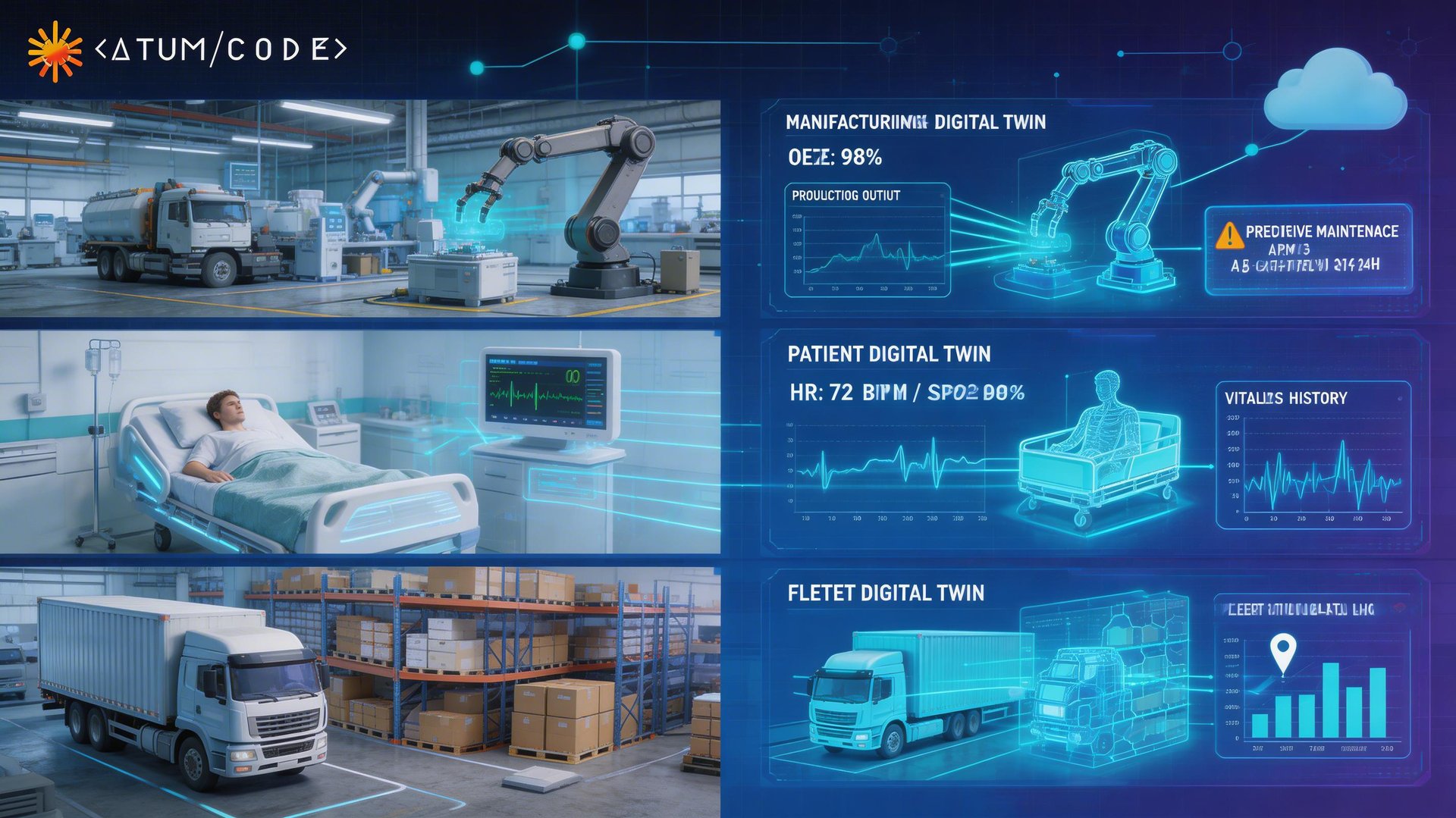
Digital twin technology has emerged as a revolutionary tool, enhancing operations across multiple industries such as manufacturing, healthcare, and logistics. Its essence lies in creating digital replicas of physical entities, allowing organizations to analyze, monitor, and optimize processes in real time.
In the manufacturing sector, digital twins are employed to model machinery and processes, leading to improved efficiency and reduced downtime. For instance, by simulating machine performance, manufacturers can assess different operational scenarios without disrupting production. This precise modeling supports predictive maintenance strategies, enabling companies to anticipate equipment failures before they occur, which ultimately minimizes maintenance costs and increases productivity.
Healthcare is another industry where digital twins are making significant strides. Here, patient-specific models can be created to simulate conditions and predict treatment outcomes based on an individual’s unique medical history and current health status. This application of digital twin technology aids healthcare providers in tailoring personalized medicine approaches, enhancing patient care while optimizing resource allocation within healthcare facilities. Virtual modeling also assists in training healthcare professionals through realistic simulations, improving preparedness for real-life scenarios.
Logistics and supply chain management benefit from digital twin technology by enabling businesses to visualize and optimize their entire supply chain processes. By creating a virtual representation of supply chain operations, companies can monitor the flow of goods, assess delays, and streamline operations. This visibility allows for better risk management, as organizations can quickly adapt to disruptions and forecast demand more accurately, resulting in reduced costs and enhanced operational capabilities.
Overall, the integration of digital twins across these industries underscores their role in enhancing efficiency, improving risk management, and fostering innovation. As we continue to explore the potential of digital twins, the prospects for various industries remain promising, paving the way for more informed decision-making and improved productivity.
Simulating Real-World Systems with Digital Twin Apps
Digital twin applications have evolved significantly over the years, providing businesses with the capability to create virtual replicas of physical systems. These digital twins enable organizations to simulate real-world processes in a controlled environment, thereby facilitating a better understanding of system behavior and optimizing operations. By employing digital twin apps, businesses can replicate their entire operational processes, which can include everything from machinery and equipment to entire supply chains.
One of the paramount advantages of utilizing digital twin apps is their effectiveness in testing scenarios. With the ability to simulate various operational conditions, businesses can analyze how different factors influence system performance before implementing changes in the real world. For instance, a manufacturer can use a digital twin of a production line to evaluate the impact of new machinery or processes without disrupting normal operations. This proactive approach not only reduces risk but also saves valuable time and resources, offering a substantial competitive advantage.
Moreover, digital twins assist in enhancing strategic planning and execution. By generating accurate simulations, organizations can foresee potential challenges and trends within their systems. This foresight enables better resource allocation and operational efficiency, as well as improved decision-making. In sectors such as logistics, digital twin apps enable companies to visualize their supply chains and pinpoint inefficiencies, leading to more effective planning and adjustment.
In essence, digital twin applications are indispensable in simulating real-world systems, providing a platform for businesses to refine their strategies and operations based on informed insights. As these technologies continue to advance, their applications will likely expand across various industries, fundamentally transforming how organizations approach their logistical and operational challenges.
Developing Digital Twin Applications
As industries increasingly embrace the benefits of digital twins, developing applications that effectively utilize this technology has become paramount. The process of creating digital twin applications involves a variety of challenges, best practices, and technologies that developers must navigate to ensure that their solutions are not only innovative but also meet specific business requirements.
To begin with, developers must have a clear understanding of the software development lifecycle (SDLC) as it pertains to digital twin solutions. This includes making critical decisions during planning, designing, and implementing stages. A typical digital twin application will rely on data ingestion from physical assets through sensors, which requires robust data management strategies. Here, developers often utilize cloud platforms to enhance data storage and processing capabilities, ensuring the seamless flow of information.
Furthermore, one of the primary challenges in developing these applications is ensuring real-time synchronization between the digital and physical counterparts. This requires choosing appropriate communication protocols and infrastructure that can handle massive data volumes with minimal latency. Technologies such as IoT platforms and edge computing become significant in enabling this real-time interaction, thereby improving the responsiveness of the digital twin.
Best practices in developing digital twin applications emphasize the importance of collaboration across multidisciplinary teams. By involving data scientists, engineers, and domain experts, developers can build more comprehensive models that accurately reflect real-world scenarios. It is also essential to integrate continuous testing and feedback loops during the development process to identify potential issues early.
Another critical aspect is scalability. Given that many organizations might start small, with the option to expand their applications later, developers should design solutions that can accommodate future growth easily. Employing modular architectures can facilitate this flexibility.
In summary, the development of digital twin applications presents a mix of challenges and opportunities. By understanding key technologies, considerations, and best practices, developers can create effective digital twin solutions that align with business objectives and drive operational efficiencies.
Digital Twin Software Solutions Today
As organizations increasingly embrace the potential of digital twin technology in mobile and web applications, the demand for robust digital twin software solutions has surged. Today, a variety of software packages are available, each offering unique features, compatibility, and implementation capabilities essential for businesses to leverage digital twins effectively.
Among the leading software solutions is Siemens' MindSphere, a comprehensive IoT platform that facilitates the development of digital twins for manufacturing and production processes. This solution allows users to create simulations that reflect real-world conditions, thereby optimizing operational efficiency. Additionally, MindSphere's compatibility with various sensors and devices makes it easy for businesses to integrate existing systems, enhancing their digital twin functionality.
Another noteworthy option is ANSYS Twin Builder, which specializes in creating digital twins for engineering applications. It offers robust simulation capabilities, enabling users to design, simulate, and monitor the performance of physical assets in real-time. Its ability to interface seamlessly with different engineering software ensures that professionals have the tools needed to build sophisticated digital twin models without compromising on detail or accuracy.
Microsoft’s Azure Digital Twins also stands out in this landscape. Leveraging cloud connectivity, this solution enables organizations to build intelligent environments, allowing for the integration of various devices and systems. The platform's scalability and ease of use make it particularly suitable for businesses looking to implement digital twin technology without extensive technical expertise. Furthermore, the solution accommodates a wide array of applications, from smart buildings to urban planning.
In summary, the current landscape of digital twin software solutions offers diverse tools tailored to meet specific business needs. By assessing features, compatibility, and implementation considerations of these software packages, organizations can choose the right digital twin solution to enhance their operations and drive innovation.
Innovative Applications of Digital Twins in Healthcare
Digital twin technology has emerged as a transformative force within the healthcare sector, enhancing patient care through innovative applications. By creating virtual replicas of patients, healthcare providers can monitor and analyze real-time data, thereby significantly improving patient outcomes. One of the noteworthy applications of digital twins is in patient monitoring. With the integration of wearable devices and Internet of Things (IoT) technology, physicians can access continuous streams of patient data, such as vital signs and activity levels. This constant monitoring enables timely interventions, reduces hospital readmissions, and fosters proactive health management.
Furthermore, digital twins play a crucial role in surgical planning. Surgeons can utilize 3D models created from patient imaging data, allowing for precise preoperative simulations. By visualizing complex anatomical structures and potential surgical challenges, surgical teams can devise more effective strategies, minimizing risks and improving success rates during procedures. This capability not only enhances the safety of surgical interventions but also provides a platform for education and training, as upcoming surgeons can practice techniques in a simulated environment.
Another significant advancement comes through the application of digital twins in personalized medicine. By harnessing real-time data and advanced analytics, healthcare professionals can tailor treatment plans specific to individual patients' needs. For instance, oncology treatments can be customized by simulating how a cancerous tumor responds to various therapies, which can ultimately guide more effective and targeted interventions. This personalized approach leads to improved medication adherence, reduced side effects, and enhanced overall treatment efficacy.
In summary, the innovative applications of digital twins in healthcare echo the vast potential of this technology in transforming patient care. From real-time monitoring to personalized treatments and enhanced surgical planning, digital twins are reshaping the future of medicine.
Digital Twins in Logistics and Supply Chain Management
The integration of digital twins into logistics and supply chain management is revolutionizing the way organizations operate in an increasingly complex environment. Digital twins, which create virtual replicas of physical systems, enable businesses to simulate, analyze, and optimize their logistics processes in real-time. This capability is particularly beneficial in areas such as inventory management, warehousing, and transportation optimization.
In inventory management, digital twins provide companies with accurate, real-time visibility into stock levels, demand forecasts, and replenishment needs. By continuously updating these virtual models with data from various sources, organizations can better anticipate changes in demand and avoid stockouts or overstock situations. This leads to a more responsive and efficient supply chain, as companies can adapt their inventory levels according to actual market conditions, ultimately improving customer service and reducing costs.
Warehouse management also benefits greatly from the deployment of digital twins. Through the simulation of warehouse layouts and processes, businesses can identify bottlenecks and inefficiencies within their operations. By testing different configurations and workflows digitally before making any physical changes, organizations can implement optimal layouts that facilitate smoother operations. Increased accuracy in labor and equipment utilization allows for faster processing times and improved order fulfillment.
Furthermore, transportation optimization is significantly enhanced by digital twins. By simulating various logistics scenarios, organizations can evaluate different transportation routes and methodologies in real-time. This analysis can lead to more efficient routes, reduced fuel consumption, and improved delivery times. As a result, companies are not only able to lower their operational costs but also improve their environmental impact.
Overall, the utilization of digital twins in logistics and supply chain management offers a robust framework for enhancing efficiency and responsiveness. By leveraging real-time data and advanced simulation capabilities, businesses are better equipped to navigate the complexities of modern supply chains and meet ever-changing market demands.
Connect With Us
Your partner in custom software solutions and design.
Innovate Today, Reach Out!
contact@atumcode.com
+1 202 292 4041
+91 801 091 1708
© 2026. All rights reserved.
Warje, Pune 411058, Maharashtra, India

AtumCode Solutions Pvt. Ltd.
Beyond Code, Building Vision!
D&B D-U-N-S Number : 76-637-9675