
Unlocking Engagement: How AI-Powered Product Recommendations Enhance User Experience in Mobile Apps
AI-powered product recommendations are transforming how mobile apps engage users and drive revenue. By leveraging intelligent algorithms and real-time data analysis, recommendation engines deliver personalized experiences that increase retention, boost conversions, and enhance customer satisfaction. This blog explores how AI-driven recommendations work, why they are essential for modern digital products, and how businesses can implement them effectively to maximize engagement and long-term growth.
AIMOBILE APP DEVELOPMENTCUSTOM SOFTWARE DEVELOPMENTECOMMERCE
Ashok K.
5/5/20267 min read
Understanding AI-Powered Recommendation Engines
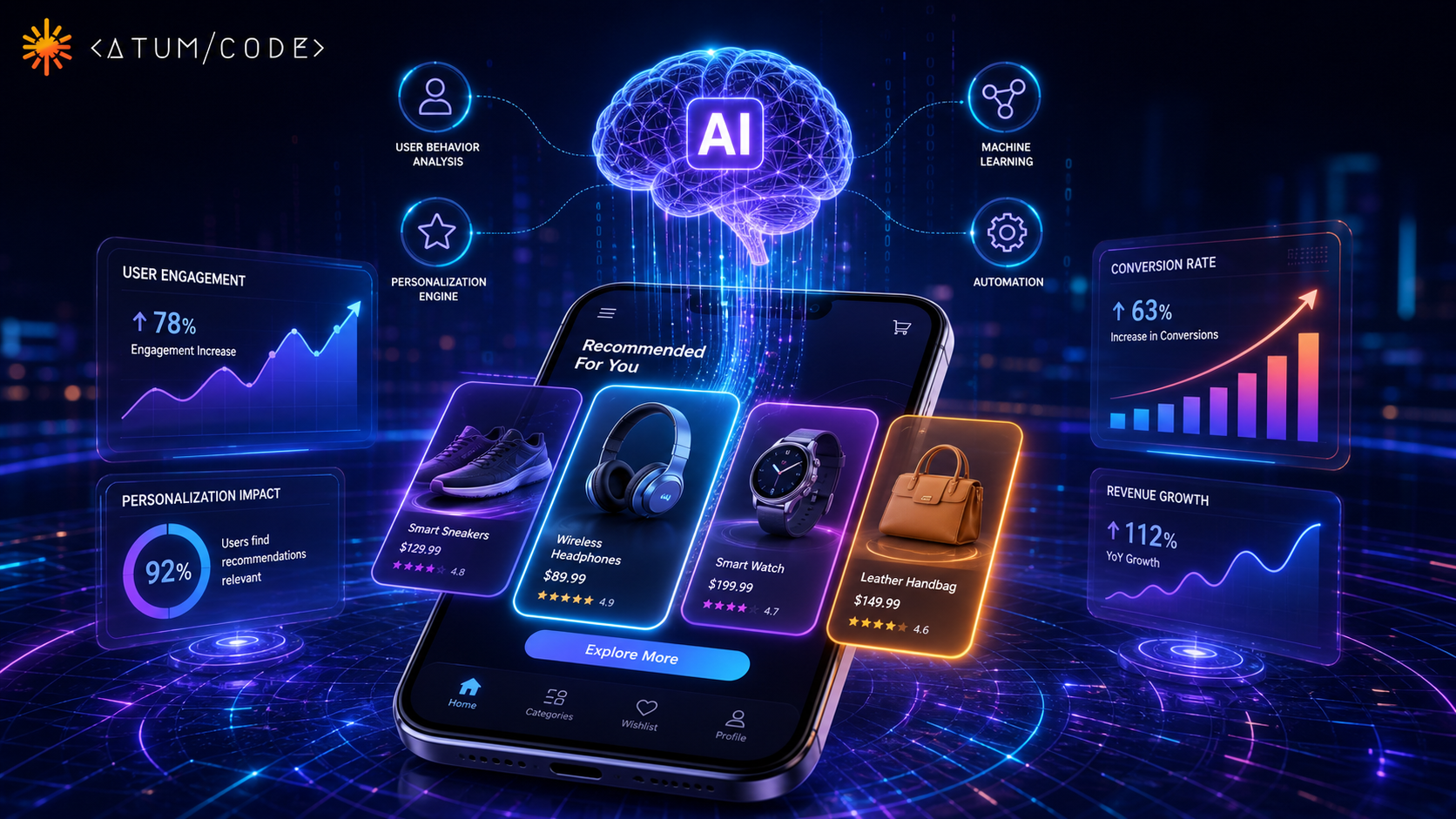
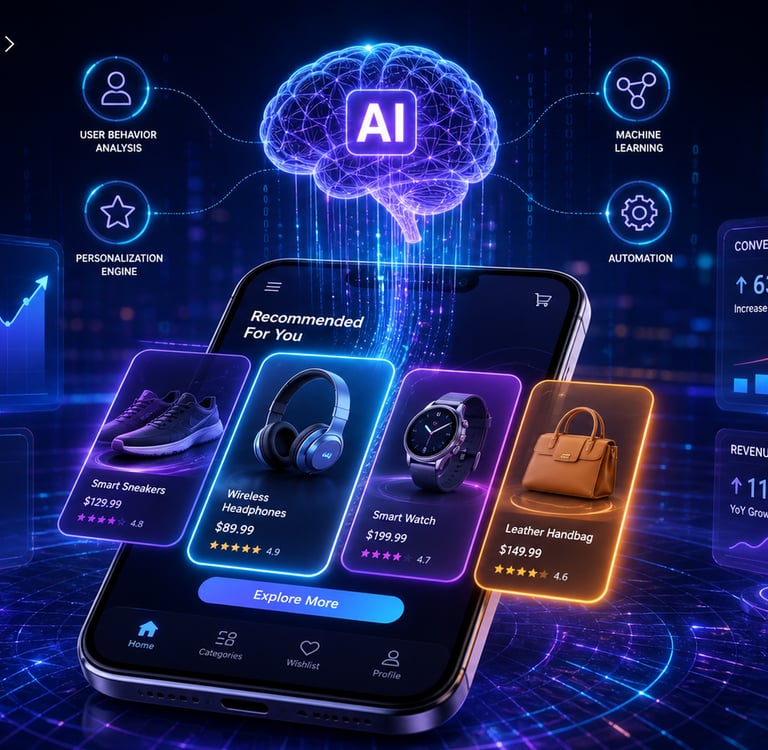
AI-powered recommendation engines are sophisticated systems designed to enhance user experience in mobile applications by delivering personalized content or products. These engines leverage advanced technologies such as machine learning algorithms and data analytics to analyze user behavior and preferences effectively. At their core, recommendation engines utilize a combination of collaborative filtering, content-based filtering, and hybrid approaches to predict user needs.
Machine learning plays a critical role in these systems, where algorithms learn patterns from vast datasets involving user interactions. By continuously analyzing data, such as user clicks, purchases, and ratings, these algorithms can refine their predictions, ensuring recommendations stay relevant. For instance, when a user expresses interest in a specific product category, the recommendation engine immediately recognizes this preference and can suggest similar items based on past user behaviors.
Data analytics also significantly contributes to the functioning of recommendation engines. By examining historical data and real-time interactions, these systems can discern trends and shifts in user interests. This analytical approach enables mobile apps to adapt swiftly to changing user preferences. Furthermore, the integration of context-aware features allows the recommendation engine to consider additional data points, such as geographical location and time of day, enhancing the precision of the suggested items.
In summary, AI-powered recommendation engines are essential components of modern mobile applications, utilizing machine learning and data analytics to provide users with tailored experiences. By predicting user preferences accurately, these systems not only improve engagement but also foster user satisfaction, ultimately contributing to the app’s success in a competitive market.
The Importance of User Experience in Mobile Apps
User experience (UX) in mobile applications plays a critical role in determining the overall success of an app. A positive user experience is essential for both user satisfaction and engagement, influencing aspects such as retention and conversion rates. When users find an app easy to navigate, visually appealing, and efficient in meeting their needs, they are more likely to continue using it. This leads to higher user loyalty and long-term relationships with customers, which are vital for any business aiming for sustained growth.
Moreover, mobile app users expect seamless interaction. According to research, apps that provide a superior UX tend to see significantly lower abandonment rates. If a user encounters barriers, such as difficult navigation or slow response times, they are likely to abandon the app and turn to competitors. Hence, investing in user-friendly design is not just a recommendation; it is essential for capturing and maintaining the user base.
Additionally, a well-designed user experience can directly influence revenue. By enhancing the UX, businesses can facilitate smoother interactions, encouraging users to explore more features or products within an app. This is particularly crucial for e-commerce applications, where improved navigation and personalized experiences can lead to increased conversion rates. By providing relevant product recommendations based on user behavior and preferences, apps can make the shopping experience more engaging and rewarding for users.
Ultimately, prioritizing user experience is about understanding the needs and expectations of the user. Companies that recognize this and create apps that effectively address user concerns and preferences will not only improve satisfaction levels but also enjoy sustained success in the competitive mobile app market.
How AI Recommendations Drive User Engagement
Artificial intelligence (AI) has revolutionized the way mobile apps interact with users, significantly enhancing user engagement through tailored recommendations. By analyzing user behavior, preferences, and historical interactions, AI algorithms are able to deliver personalized content that resonates with each individual. This level of personalization fosters a more engaging user experience, as users are presented with items or suggestions that are closely aligned with their interests.
One primary mechanism through which AI recommendations drive engagement is through personalized content delivery. For instance, music streaming applications utilize AI-powered algorithms to analyze listening habits and preferences, enabling them to recommend new tracks or curated playlists that users are likely to enjoy. By tailoring the experience to individual tastes, apps encourage users to spend more time exploring, thereby deepening their connection to the platform.
Moreover, targeted suggestions based on real-time data can dramatically enhance user re-engagement. E-commerce apps, for example, employ AI to analyze what users have browsed, added to their carts, or purchased in the past. These insights allow the apps to prompt users with suggestions of related products or special offers, significantly increasing the likelihood of conversions. The targeted nature of these recommendations meets users exactly where their interests lie, making it more probable they will return to interact with the app.
Additionally, proactive interactions by the app, facilitated by AI, can foster a sense of anticipation and excitement, which keeps users engaged. Notification systems that recommend timely content or promotional offers based on user activity contribute to maintaining user interest over time. By harnessing the power of AI to create an immersive and personalized experience, mobile apps not only enhance user engagement but also cultivate user loyalty, encouraging repeated app usage and deepening the overall user relationship.
Impact on Conversion Rates: Revenue Growth through Recommendations
In the competitive landscape of mobile applications, the importance of conversion rates cannot be overstated. One of the most effective strategies for increasing these rates is through intelligent product recommendations powered by artificial intelligence (AI). By analyzing user behavior, preferences, and past purchasing history, AI-driven algorithms generate personalized suggestions that enhance the overall shopping experience.
Statistics reveal a compelling correlation between tailored recommendations and improved conversion rates. For instance, a report by McKinsey indicates that personalized recommendations can lead to a 10% to 30% increase in revenue for e-commerce platforms. Similarly, a case study involving a leading mobile shopping app demonstrated that users who received customized product recommendations were 50% more likely to make a purchase compared to those who did not.
Beyond just individual purchases, the impact of these recommendations plays a significant role in overall revenue growth. When users feel that their individual tastes and preferences are considered, they are more likely to engage with the app regularly. This consistent engagement often translates into higher average order values as users discover products they might not have actively searched for. Furthermore, studies from platforms like Invesp illustrate that nearly 63% of consumers are more likely to return to an app that offers personalized suggestions, thereby increasing retention rates.
The growth potential doesn't stop there; as app users become accustomed to personalized experiences, apps can leverage this data to refine their recommendation engines continuously. This ongoing optimization not only enhances user satisfaction but fosters brand loyalty and repeat purchases, creating a virtuous cycle of revenue growth. By utilizing AI-powered product recommendations, mobile apps can significantly bolster their conversion rates, unlocking the door to sustained financial success.
Enhancing Personalization with AI: Best Practices
To effectively implement AI-powered recommendation systems in mobile applications, it is crucial to prioritize several best practices that drive enhanced personalization. One of the initial steps is robust data collection. Successful recommendation algorithms rely on accurate and sufficient data, which can be gathered from various sources such as user interactions, demographic information, and contextual data. Implementing analytics tools can help in tracking user behavior within the app, ensuring that the data collected is comprehensive and relevant.
Once the data is collected, understanding user behavior becomes paramount. This involves analyzing how users navigate the application, the items they frequently view or purchase, and their overall engagement patterns. By diving deep into this user data, developers can gain insights into preferences and trends, which can inform the recommendation strategy. Utilizing techniques such as clustering and customer segmentation can further refine user profiles and optimize the personalization process.
Another essential aspect of enhancing personalization through AI is the continuous optimization of the recommendation algorithms. AI systems thrive on iterative improvements based on real-time feedback. Thus, regularly assessing and adjusting the algorithms to improve accuracy is vital. Testing different versions of the recommendation engine can reveal what works best for users. A/B testing is particularly useful here, allowing developers to compare performance metrics associated with various recommendation strategies.
Maintaining user trust is also key to the successful implementation of AI recommendations. Transparency in how user data is collected and used fosters a sense of security. Notifying users about their data usage and giving them control, such as the option to customize recommendations, can lead to improved user engagement with the app. Ultimately, while leveraging AI to provide tailored recommendations, companies must continuously refine their approach, ensuring that personalization feels relevant and meaningful to users.
Challenges in Implementing AI Recommendations in Apps
The integration of AI-powered product recommendations into mobile applications brings forth several challenges that developers must navigate. One of the foremost issues is data privacy concerns. With the increasing scrutiny surrounding data usage and regulations like the General Data Protection Regulation (GDPR), app developers must ensure that they collect and handle user data responsibly. Failure to comply with privacy laws can not only lead to hefty fines but also erode user trust, a vital component in user engagement and satisfaction.
In addition to privacy issues, developers also face the potential for biases in algorithms. AI systems learn from historical data, and if this data is skewed, the recommendations generated may inadvertently perpetuate these biases. For instance, if the training data lacks diversity, the products recommended might not adequately represent the preferences of all users, thus alienating segments of the audience. It is crucial for developers to regularly audit their algorithms and training datasets to identify and rectify any biases, ensuring that the AI recommendations are fair and inclusive.
Furthermore, a robust infrastructure is necessary to support effective AI implementations. This includes having a scalable backend capable of processing vast amounts of data in real-time while delivering personalized recommendations. The initial requirement for such infrastructure can be resource-intensive, and many companies, particularly startups, may lack the financial capability or technical expertise to establish it efficiently. Developers need to weigh these resource allocations against the potential return on investment of AI features.
In conclusion, while AI-powered recommendations can significantly enhance user experience, attention to data privacy, algorithmic biases, and infrastructure readiness is essential for successful implementation. Addressing these challenges proactively will contribute to the overall effectiveness and acceptance of AI in mobile apps.
Future Trends in AI-Driven Recommendations for Mobile Apps
The landscape of mobile applications is evolving rapidly, driven by advancements in artificial intelligence (AI) that enhance product recommendations. In the near future, we anticipate several key trends that will deepen the efficacy of AI-powered recommendations and redefine user engagement.
One imminent trend is the advancement of deep learning algorithms. As these algorithms continue to mature, they will enable mobile apps to analyze vast amounts of user data more efficiently. This will lead to more nuanced insights into user preferences and behavior, transforming the recommendations from simple suggestions to highly personalized experiences tailored to individual needs.
Moreover, the growing emphasis on user privacy presents a challenge and an opportunity for developers. With increasing regulations around data protection, mobile apps will need to adopt privacy-centric approaches while still providing sophisticated recommendations. Techniques like federated learning can allow apps to generate personalized suggestions based on aggregated data rather than individual user data, thus maintaining privacy while enhancing user satisfaction.
In addition to technological advancements, shifts in user behavior will also influence the future of AI recommendations in mobile apps. Today’s users expect not just speed and efficiency, but also contextual relevance in the suggestions they receive. This will require mobile apps to consider external factors, such as time, location, and even current trends, to deliver timely recommendations that resonate with users' immediate needs.
Furthermore, the integration of augmented reality (AR) and virtual reality (VR) with AI recommendations will open new avenues for user interaction. This fusion could provide immersive shopping experiences, where users can visualize products in their environment before making a purchase. The potential for AI recommendations to evolve alongside these emerging technologies suggests a promising and innovative future for user experience in mobile applications.
Connect With Us
Your partner in custom software solutions and design.
Innovate Today, Reach Out!
contact@atumcode.com
+1 202 292 4041
+91 801 091 1708
© 2026. All rights reserved.
Warje, Pune 411058, Maharashtra, India

AtumCode Solutions Pvt. Ltd.
Beyond Code, Building Vision!
D&B D-U-N-S Number : 76-637-9675